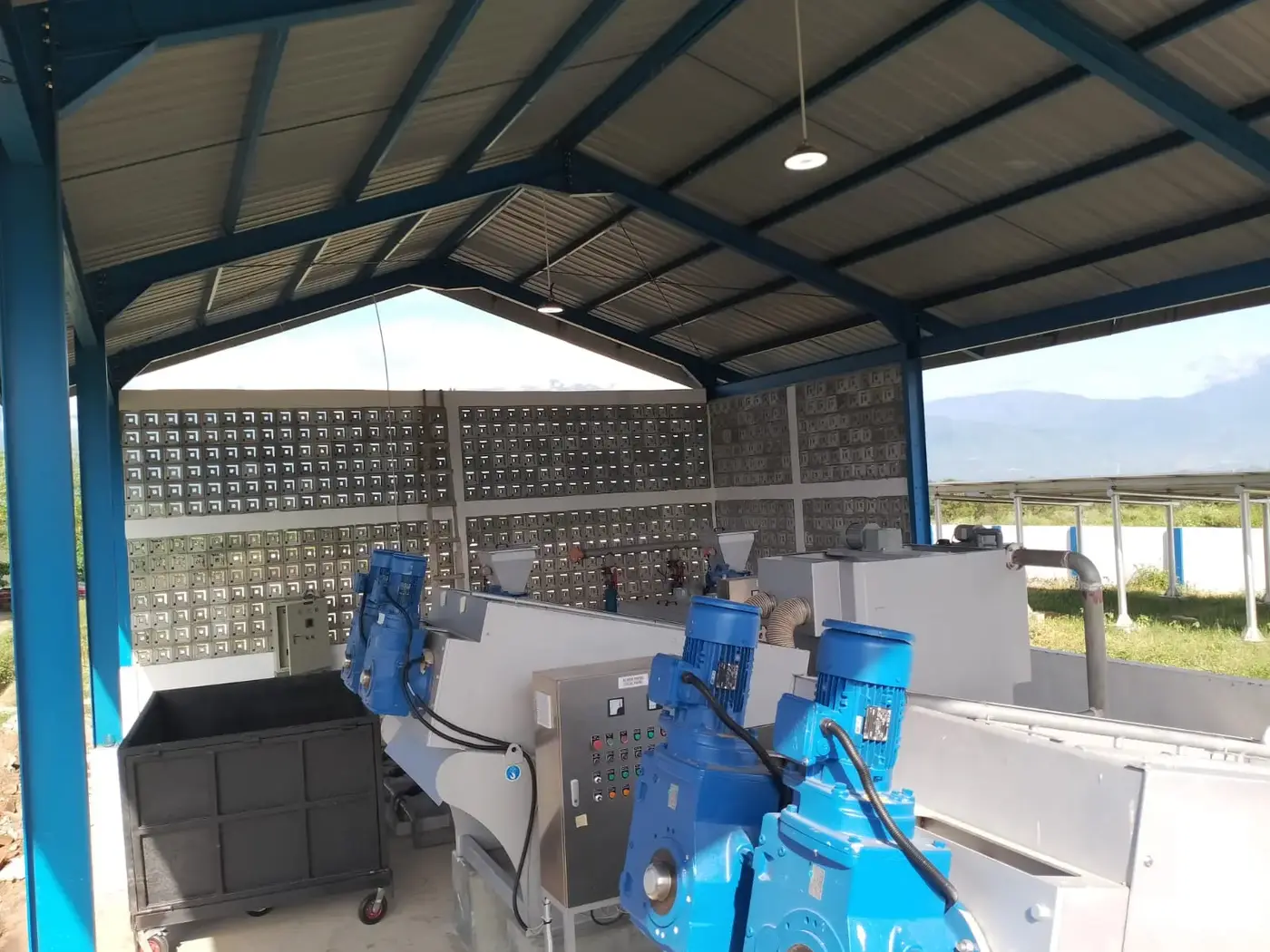
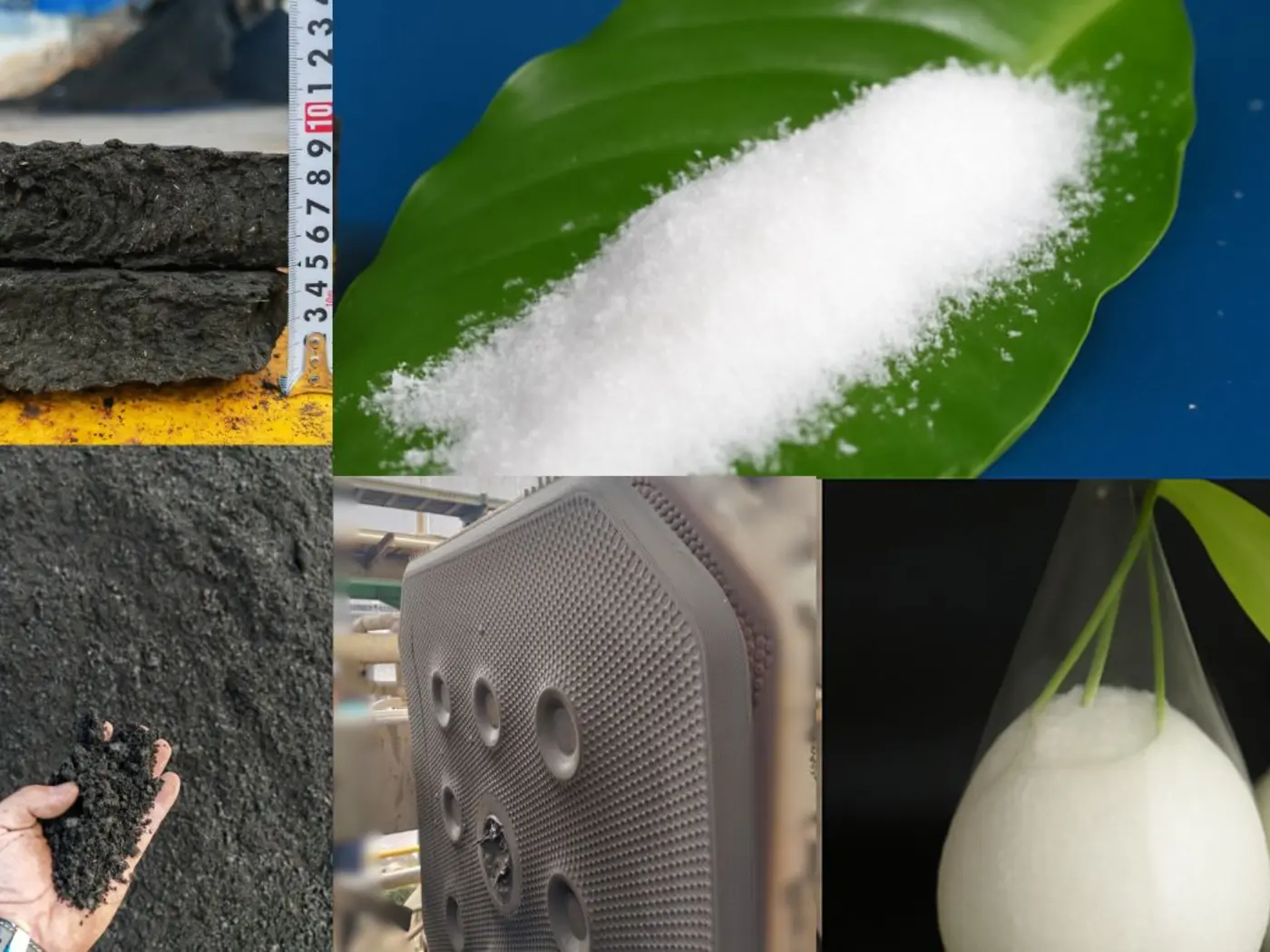
Polymer is selected from sludge response to charge, dose, mixing, floc strength, filtrate, cake, and equipment type.
No single polymer suits every sludge
Process source, pH, solids, organics, oil, temperature, and production changes can alter response. Industry name alone is not enough to select a product.
Initial screening
Several candidates are compared on a representative sample. Observe floc formation speed, size, strength, released water, clarity, and the ability of flocs to survive transfer.
Match the equipment
Flocs suited to settling may not perform the same on a Filter Press or Screw Press. Shear, contact time, dosing point, feed pump, and separation mechanism should be considered.
Validate under actual conditions
A jar test provides an initial dose, not a final guarantee. Field adjustment is performed progressively while recording feed, active dose, filtrate, cake, throughput, and operating stability.